Introduction
Yarrow, scientifically known as Achillea millefolium, is a timeless medicinal herb celebrated for centuries for its incredible healing abilities. Its delicate, feathery leaves and clusters of small white flowers may seem simple, but inside this humble plant lies a powerhouse of natural medicine. From ancient warriors to modern herbalists, yarrow has earned a place as one of nature’s most versatile remedies.
A Glimpse into History**
The name Achillea comes from the legendary Greek hero Achilles, who is said to have used this herb to treat his soldiers’ wounds during the Trojan War. Because of this, yarrow was often called “Herb of the Soldiers” or “Woundwort.”
In ancient times, yarrow was carried into battle and used to stop bleeding, prevent infection, and promote faster healing. Native American tribes also used it for everything from fevers to toothaches.
Throughout history, yarrow has been found in burial sites dating back over 60,000 years, suggesting humans have relied on its powers since prehistoric times.
Physical Description**
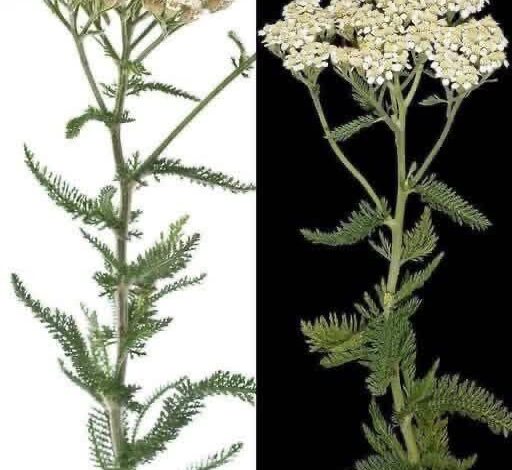
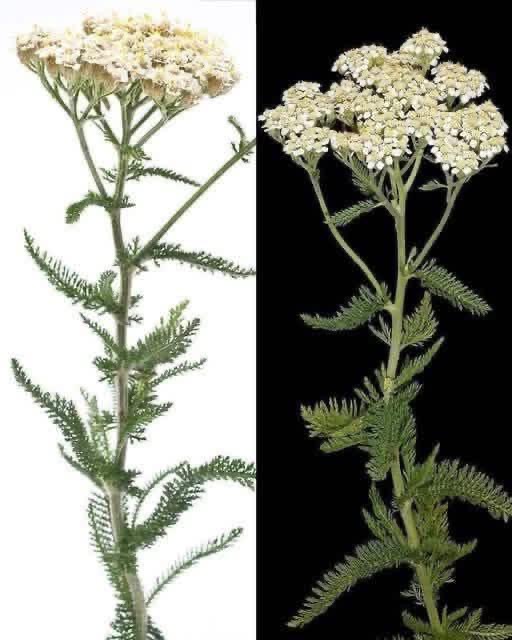
Yarrow is a hardy perennial herb that grows about 1–3 feet tall.
- Leaves: Finely divided and fern-like, giving it a soft feathery appearance.
- Flowers: Tiny white or pale yellow blossoms form dense, flat-topped clusters.
- Aroma: It has a strong, earthy, slightly spicy scent.
- Habitat: Found growing wild in meadows, roadsides, and open fields throughout North America, Europe, and Asia.
Medicinal Properties**
Yarrow is a natural multi-purpose healer with a wide range of benefits. Its chemical compounds—such as flavonoids, tannins, and volatile oils—contribute to its effectiveness.
1. Stops Bleeding (Hemostatic)
Yarrow has long been used to stop external bleeding from cuts and wounds. Simply crushing fresh leaves and applying them directly can help coagulate the blood and close small wounds.
2. Fights Inflammation
The plant’s anti-inflammatory properties make it useful for relieving skin irritation, rashes, and insect bites. It can also help with internal inflammation, such as that from digestive issues.
3. Eases Menstrual Discomfort
Yarrow tea is a traditional remedy for menstrual cramps and irregular cycles. It helps balance hormones and relaxes uterine muscles.
4. Supports Digestion
Drinking yarrow tea aids in digestion, reduces bloating, and stimulates appetite. It helps regulate bile flow and liver function, promoting better metabolism.
5. Boosts Immunity
Thanks to its antimicrobial and antioxidant properties, yarrow strengthens the immune system and helps the body fight off colds and infections.
6. Reduces Fever
Yarrow induces mild sweating, making it a natural fever reducer. It helps the body release heat and toxins through perspiration.
Common Uses**
- Yarrow Tea: For colds, cramps, and digestion
- Yarrow Oil or Ointment: For wounds, burns, and skin irritation
- Yarrow Bath: To relieve sore muscles and detoxify the body
- Fresh Leaves: As a first-aid compress to stop bleeding
How to Make Yarrow Tea**
Ingredients:
- 1 tablespoon dried yarrow (or a handful of fresh leaves and flowers)
- 1 cup hot water
- Optional: honey or lemon for taste
Instructions:
- Boil water and pour over the yarrow.
- Let it steep for 10–15 minutes.
- Strain and enjoy warm.
Drink 1–2 cups per day to soothe colds, menstrual cramps, or digestive troubles.
Precautions**
While yarrow is natural, it should be used wisely:
- Avoid during pregnancy, as it may stimulate uterine contractions.
- Some people may develop skin sensitivity or allergic reactions.
- Do not combine with blood-thinning medication without medical advice.
Symbolism and Folklore**
In folklore, yarrow was believed to ward off evil spirits and bring love and protection. In the Victorian language of flowers, it symbolized healing and everlasting love.
People even used to hang dried yarrow in their homes for good fortune and spiritual cleansing.
Conclusion**
Yarrow is more than a wildflower — it’s a living link to ancient herbal wisdom. From battlefields to modern-day gardens, it has earned its place as a universal healer. Whether you sip it as tea or use it as a salve, yarrow remains a reminder that nature provides some of the most powerful medicines known to humankind.
So next time you see this modest white flower swaying in the wind, remember — it’s not just a plant; it’s a warrior of healing, standing tall in nature’s pharmacy