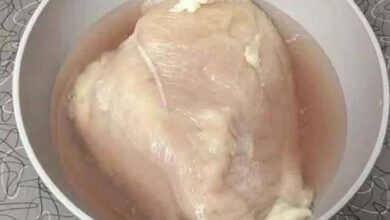
🥩 “The Truth About Bloated Packaged Meat” – A Complete Food Safety Guide
🌟
Introduction
Bloated packaged meat is a common sight in supermarkets — the plastic wrap appears puffed up with trapped gas, and many wonder if the meat is still safe to cook. While it might look tempting due to its fresh pink color, the truth behind that swollen packaging tells a deeper story about bacterial growth, preservation gases, and food safety. Understanding why meat bloats and what it means helps protect your health and ensures that every meal you prepare is safe, wholesome, and delicious.
🏺
History of Packaged Meat
Meat packaging began to evolve in the early 20th century with the introduction of refrigeration and vacuum-sealing technology. Modern stores often use Modified Atmosphere Packaging (MAP) — a technique where oxygen, carbon dioxide, and nitrogen are used in specific ratios to keep meat red and fresh-looking.
However, if these packages become bloated, it often indicates that bacteria inside have multiplied, releasing gases like carbon dioxide and hydrogen sulfide — both signs that spoilage has begun.
🧪
Ingredients (What’s Really Inside the Package)
- Fresh meat (muscle tissue, fats, myoglobin pigment)
- Preservation gases (CO₂, N₂, O₂ in MAP systems)
- Time and temperature (how long and how cold it’s been stored)
- Bacteria (good or bad — naturally present, but can multiply)
When conditions go wrong (temperature abuse, old stock, or seal failure), bacteria release gas and cause the package to bloat.
🔬
Methods (Understanding the Science Behind Bloating)
- Modified Atmosphere Packaging (MAP):
Keeps meat red and slows spoilage — but if seal integrity breaks, bacteria grow fast. - Bacterial Fermentation:
Microbes like Clostridium and Lactic acid bacteria produce gas, causing bloating. - Temperature Influence:
If meat is not stored below 4°C (40°F), bacteria multiply rapidly. - Vacuum Seal Failure:
Even a tiny air leak can allow oxygen in, triggering bacterial growth.
⚠️
Signs That Bloated Meat Is Unsafe
- The plastic film looks inflated or stretched.
- The meat has a sour, sulfuric, or metallic odor.
- The color appears grayish, greenish, or slimy.
- The texture feels sticky instead of firm.
If any of these signs appear — do not eat it.
💡
Benefits (of Knowing the Truth)
- Prevents food poisoning (from Salmonella, Listeria, or E. coli)
- Reduces waste by teaching you how to detect freshness
- Promotes safer shopping habits
- Saves money by avoiding spoiled purchases
- Encourages mindful cooking and storage
🧬
Formation (What Causes the Bloating)
Bloating forms when bacterial metabolism releases gases that get trapped under the sealed plastic film. These bacteria feed on proteins and sugars in the meat, producing byproducts like carbon dioxide, hydrogen, and ammonia. The package expands, giving the illusion of freshness — but inside, the meat’s microbial activity is increasing rapidly.
🧂
Instructions for Safe Handling
- Always check the expiry date before buying.
- Inspect the packaging: avoid any that are swollen, leaking, or have trapped air.
- Smell the meat immediately after opening. If there’s any bad odor, discard it.
- Store meat below 4°C (40°F) and cook within 1–2 days of purchase.
- Freeze if not using soon. Freezing halts bacterial growth.
🥩
Cooking Methods (for Safe Meat Preparation)
- Searing: High heat kills surface bacteria.
- Thorough cooking: Cook ground meat to at least 160°F (71°C) internally.
- Avoid cross-contamination: Use separate boards and knives for raw and cooked foods.
- Refrigerate leftovers within 2 hours.
(But remember — if the meat is spoiled or bloated, no cooking method can make it safe again.)
🧠
Nutrition (of Safe Fresh Ground Meat)
- Protein: 26 g per 100 g
- Fat: 20 g (varies by cut)
- Iron: 2.5 mg
- Zinc: 4.8 mg
- Vitamin B12: 2.3 µg
When fresh, ground meat is a rich source of nutrients — but spoiled meat loses its nutritional integrity and can become toxic.
💕
For the Lovers (of Cooking and Safety)
This guide is for everyone who loves cooking but values health even more. Real kitchen lovers know that great food starts with fresh, safe ingredients. Caring about safety is a sign of love — for yourself, your family, and your craft. ❤️
🌸
Conclusion
Bloated packaged meat is a clear warning sign — a message from nature and science that the product has started to spoil. While packaging technology has advanced, nothing can disguise the signs of bacterial growth. Always trust your senses: if the package is bloated or smells off, discard it immediately.
A good meal begins with respect for freshness — and protecting your health is the most delicious choice you can make.