I Haven’t Bought Blueberries in Years—This Genius Home Trick Changed Everything

Blueberries are one of nature’s sweetest little treasures—bursting with flavor, packed with antioxidants, and versatile enough to brighten up everything from smoothies to pancakes. But if you’ve ever bought them from the store, you know the frustration: expensive, often bland, and they seem to spoil just a few days after you bring them home.
That’s why discovering a simple trick to grow my own blueberries in containers at home completely transformed my kitchen and garden. I haven’t bought blueberries in years—and honestly, I don’t plan to ever again.
The Trick: Growing Blueberries in Pots
The secret lies in container gardening. Instead of struggling with soil conditions in the ground, I planted blueberries in large pots. This allows complete control over the soil acidity, drainage, and sunlight exposure—three factors that blueberries absolutely need to thrive.
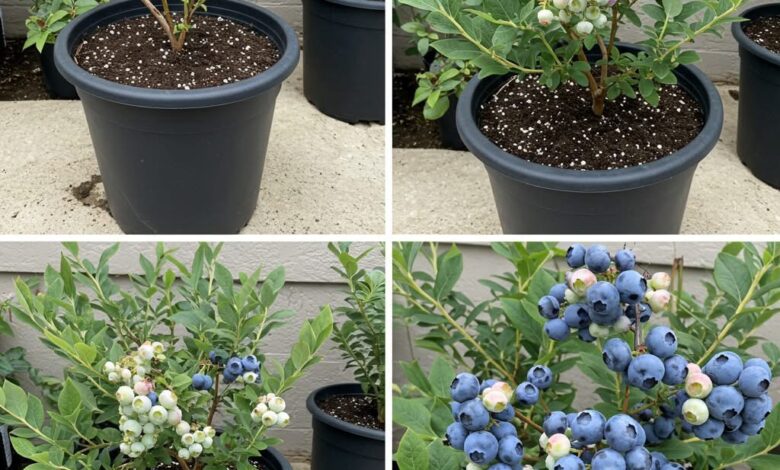
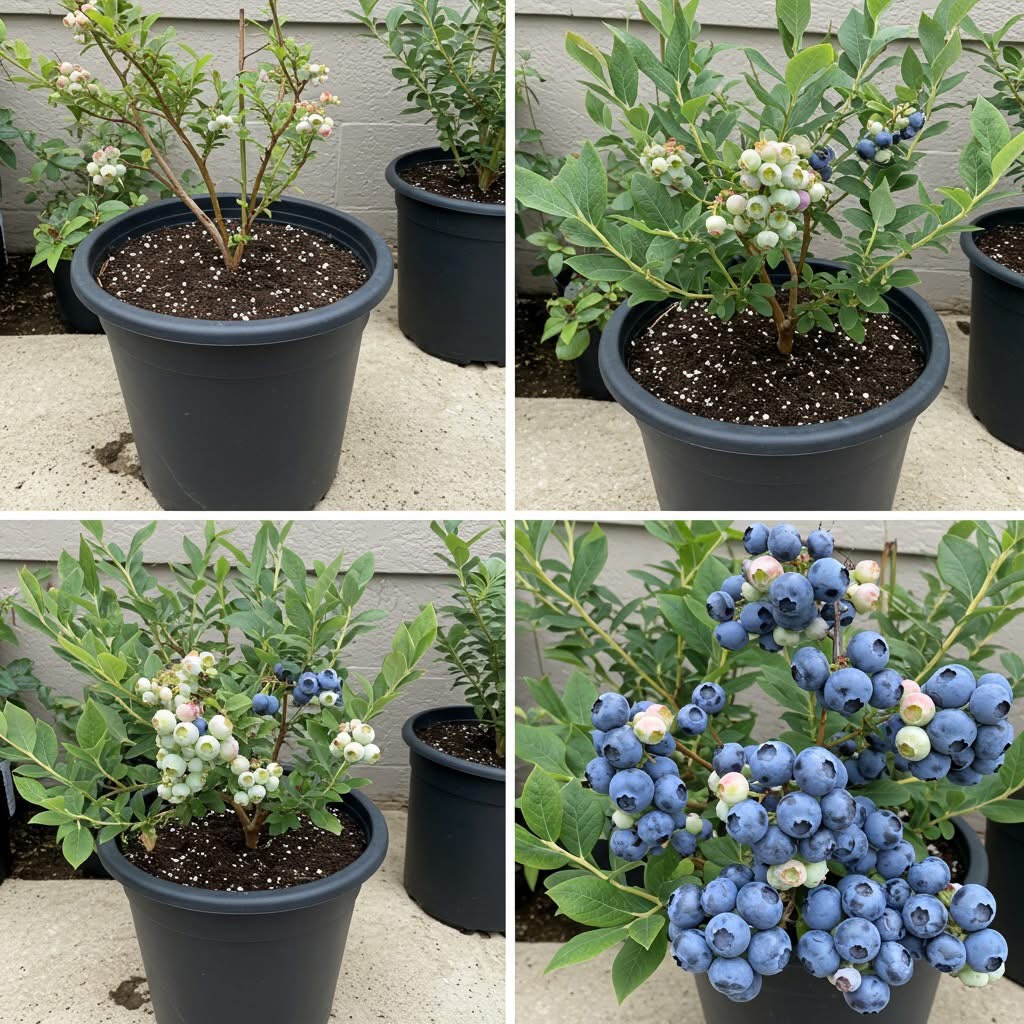
In the photo above, you can see how these plants progress: starting small with tiny green berries, then slowly ripening into clusters of plump, juicy blueberries.
Why Pots Work Better Than Ground Planting
- Soil Control – Blueberries love acidic soil (pH 4.5–5.5). Regular garden soil often isn’t acidic enough, but in a pot, you can mix peat moss, pine bark, and perlite to create the perfect blend.
- Mobility – Pots can be moved to follow the sun or to protect plants from frost.
- Fewer Weeds & Pests – Growing in containers makes it easier to manage weeds and prevents some common soil-borne pests.
- Space-Saving – Even on a balcony or patio, you can harvest big bowls of berries.
Step-by-Step Guide to Growing Blueberries in Pots
1. Choose the Right Variety
Some blueberries are better suited for containers. Look for dwarf or compact varieties like:
- Top Hat
- Sunshine Blue
- Jelly Bean
- Peach Sorbet
2. Pick the Right Pot
- Size: At least 16–20 inches wide and deep (blueberries have shallow roots but spread out).
- Material: Plastic or ceramic pots retain moisture better than clay.
- Drainage: Make sure the pot has good drainage holes.
3. Soil Mix
Blueberries hate alkaline soil. Use a mix like this:
- 50% peat moss
- 30% pine bark
- 20% perlite
Optional: Add some elemental sulfur to keep acidity levels right.
4. Planting
- Set the plant slightly higher than the rim of the pot.
- Water deeply after planting.
5. Watering & Feeding
- Blueberries need consistent moisture, but never let them sit in water.
- Use rainwater if possible (tap water can be too alkaline).
- Fertilize in spring with an acid-loving plant fertilizer (like those made for azaleas or rhododendrons).
6. Sunlight
- At least 6–8 hours of full sun each day.
7. Winter Care
- In colder regions, insulate pots with burlap or bring them into a sheltered spot.
Benefits of Growing Your Own Blueberries
- Save Money – A single mature bush can produce 5–10 pounds of berries per season.
- Healthier Fruit – No pesticides or chemicals.
- Fresh All Summer – Pick berries when they’re perfectly ripe, not when they’re picked early for shipping.
- Beautiful Plants – Blueberries add ornamental value with pretty spring flowers and vibrant fall colors.
Harvesting
You’ll know blueberries are ready when they turn a deep, dusty blue and come off the stem easily. Don’t rush—berries often look blue a few days before they reach full sweetness.
Storage Tip
- Store fresh blueberries unwashed in the fridge for up to two weeks.
- Freeze extras: Lay them in a single layer on a baking sheet, then transfer to freezer bags. This prevents clumping and keeps them usable for months.
Conclusion
This container-growing trick has not only given me endless fresh blueberries but also the joy of knowing exactly where my food comes from. No more overpriced, bland supermarket berries—just sweet, sun-ripened goodness right outside my door.
If you’ve got a sunny patio, balcony, or even just a doorstep, you can grow your own blueberries too. Once you start, you’ll never look back.