Introduction
Indian Borage is a hardy, evergreen, perennial herb belonging to the Lamiaceae (mint) family. With its thick, fleshy, and aromatic leaves, this herb has become popular in both culinary and medicinal traditions around the world. Native to Southern and Eastern Africa, it spread through Asia, the Caribbean, and tropical regions where it’s often grown in pots or gardens for its easy care and multipurpose use.
Its strong, oregano-like scent makes it a favorite seasoning herb, while its powerful medicinal compounds make it a trusted home remedy for coughs, colds, indigestion, and skin problems.
Botanical Profile
- Scientific Name: Plectranthus amboinicus
- Common Names: Indian Borage, Cuban Oregano, Mexican Mint, Spanish Thyme, Soup Mint
- Family: Lamiaceae (Mint Family)
- Origin: Africa, India, and the Mediterranean region
- Type: Perennial herb
- Height: Up to 1 meter (3 feet)
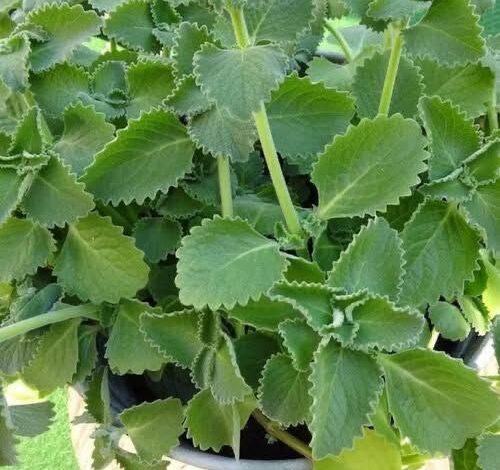
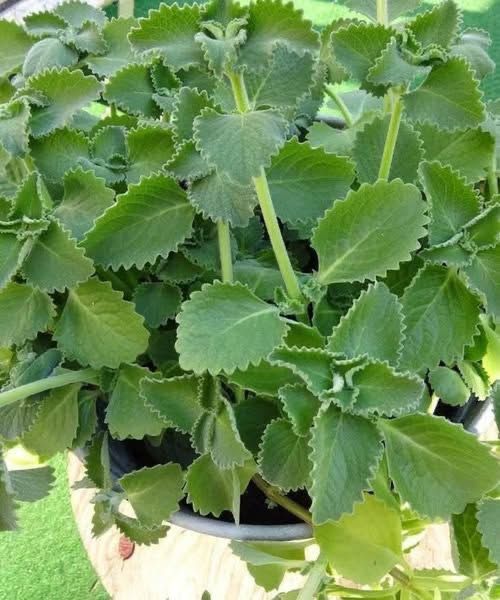
- Leaves: Thick, fuzzy, scalloped-edged, aromatic
- Flowers: Small, purplish-white, growing in clusters
Growing Conditions
Indian Borage is a low-maintenance plant that thrives both indoors and outdoors.
Light:
- Prefers bright, indirect sunlight or partial shade.
- Too much direct sunlight may scorch the leaves, while low light reduces its aroma.
Temperature:
- Grows best between 18°C–30°C (64°F–86°F).
- Sensitive to frost — bring indoors during winter in cooler climates.
💧 Water:
- Water moderately — keep soil slightly moist but not soggy.
- Overwatering can cause root rot.
Soil:
- Well-draining soil with a mix of garden soil, sand, and compost.
- pH level: 6.0–7.5
Propagation:
- Easily propagated through stem cuttings.
- Place a cutting in water or moist soil, and it roots within a week.
Culinary Uses
Indian Borage is prized in kitchens around the world for its bold flavor, similar to oregano or thyme but more pungent.
Common Uses:
- In soups and stews: Adds a distinct aroma and flavor.
- In meat dishes: Especially good with lamb, chicken, or fish.
- In chutneys and sauces: Gives a minty, earthy punch.
- As herbal tea: Fresh leaves steeped in hot water make a soothing tea.
- In Caribbean cuisine: Used to season jerk meat and curries.
Quick Recipe: Indian Borage Herbal Tea
Ingredients:
- 4 fresh Indian Borage leaves
- 2 cups hot water
- 1 tsp honey (optional)
- A squeeze of lemon (optional)
Instructions:
- Wash and slightly crush the leaves.
- Add them to hot water and let steep for 5–7 minutes.
- Strain and serve warm.
- Add honey or lemon for flavor.
Benefits: Helps relieve cough, sore throat, and sinus congestion.
Medicinal Benefits
Indian Borage is a powerhouse of natural healing. Traditional medicine systems, especially Ayurveda and folk remedies, use it widely for respiratory, digestive, and skin conditions.
1. Relieves Cough and Cold
The leaves act as a natural expectorant, helping to clear mucus and soothe the throat. Chewing a leaf or inhaling its steam offers quick relief.
2. Treats Fever and Flu
Its antimicrobial and anti-inflammatory properties help reduce fever symptoms and boost the immune system.
3. Clears Nasal Congestion
The strong aroma helps open up blocked nasal passages. Steaming with borage leaves is an effective home remedy.
4. Improves Digestion
Promotes enzyme activity and reduces bloating, acidity, and indigestion.
🧴 5. Soothes Skin Irritation
Crushed leaves can be applied to insect bites, burns, or rashes. The juice helps reduce inflammation and itching.
6. Supports Heart Health
Rich in omega-6 fatty acids (especially gamma-linolenic acid), which help reduce cholesterol levels.
7. Strengthens Bones
Contains calcium and other minerals that support bone density and health.
- Natural Detoxifier
Helps cleanse the body by promoting healthy liver function.
Nutritional Value (per 100g of leaves)
| Nutrient | Amount |
|---|---|
| Calories | 80 kcal |
| Water | 86% |
| Carbohydrates | 10 g |
| Protein | 2 g |
| Fiber | 6 g |
| Vitamin C | 25 mg |
| Vitamin A | 1800 IU |
| Calcium | 200 mg |
| Iron | 2.3 mg |
Traditional and Cultural History
Indian Borage has a rich traditional heritage:
- In India, it’s called Karpooravalli (Tamil), Patharchur (Hindi), and Ajwain Patta (Gujarati). It’s used in Ayurvedic medicine for respiratory ailments.
- In Caribbean islands, it’s known as Cuban Oregano, used both in medicine and cooking.
- In Indonesia and Malaysia, it’s brewed into teas for digestive and postpartum care.
- In Africa, it’s a household remedy for fevers and infections.
Its global spread and adaptability show its importance in both traditional healing and culinary arts.
Formation and Growth Cycle
- Propagation (0–2 weeks): Stem cuttings root quickly in soil or water.
- Vegetative Growth (2–6 weeks): Leaves grow dense and aromatic.
- Maturity (2–3 months): Plant becomes bushy; ideal for harvesting leaves.
- Flowering (after 3 months): Small lavender or white blooms appear.
- Continuous Growth: Regular pruning promotes new growth.
Benefits Summary
Boosts immunity
Aids digestion
Treats cough and cold
Heals skin wounds
Relieves inflammation
Provides natural antioxidants
Easy to grow at home
For Lovers of Nature and Wellness
If you love plants that heal, flavor, and beautify your space, Indian Borage is the perfect companion. It thrives in small pots, perfumes your home with a minty scent, and offers countless benefits for your health and kitchen.
Conclusion
Indian Borage is more than just a green herb — it’s a living pharmacy and a culinary delight rolled into one. From soothing coughs to enhancing meals, this humble plant proves that nature often gives us the best remedies in the simplest forms. Whether you grow it for its beauty, flavor, or healing power, Indian Borage deserves a place in every home garden.