Introduction
What if one of the most powerful superfoods wasn’t tucked away in an exotic rainforest or sold in fancy health stores, but right outside your door? Meet purslane (Portulaca oleracea)—a resilient, low-growing plant often mistaken for a stubborn weed. But behind its modest appearance lies a nutritional powerhouse that has nourished cultures for centuries. Today, modern science confirms what traditional diets knew long ago: purslane is not just edible—it’s extraordinary.
In this article, we’ll explore the origins, nutrition, health benefits, cultural history, and culinary uses of purslane, along with tips on how you can harvest and enjoy it at home.
The Origins and History of Purslane
Purslane has been around for thousands of years. Ancient civilizations in Greece, Egypt, India, and China valued it both as food and medicine. Hippocrates, the father of medicine, recommended it for its healing properties. In traditional Chinese medicine, purslane has long been prescribed as a “cooling” herb for inflammation and skin conditions.
Interestingly, while some regions embraced purslane as a nutritious food, others dismissed it as an invasive weed. Its ability to thrive in poor soils, hot climates, and neglected corners of gardens is part of its magic—it is both resilient and sustainable.
Nutritional Profile: What Makes Purslane a Superfood?
Purslane is a nutrient-dense plant, meaning it offers a remarkable concentration of vitamins, minerals, and compounds with very few calories.
Key Nutrients in Purslane (per 100g):
- Omega-3 fatty acids (ALA) – Purslane is one of the richest plant sources of alpha-linolenic acid, a heart-healthy omega-3.
- Vitamin A – Essential for vision, immunity, and skin health.
- Vitamin C – Supports immune defense and collagen production.
- Vitamin E – A powerful antioxidant.
- Magnesium, potassium, and calcium – Vital minerals for muscle, bone, and heart function.
- Iron – Important for red blood cell production.
- Beta-carotene & antioxidants – Help fight free radicals and protect against aging.
What makes purslane truly unique is its balance of omega-3 fatty acids with antioxidants, something rarely found in common leafy greens.
Health Benefits of Purslane
- Heart Health Booster
- The high omega-3 content supports cardiovascular health, reduces inflammation, and may help regulate cholesterol levels.
- Anti-Inflammatory Power
- Traditional medicine and modern studies show purslane’s compounds can calm inflammation, supporting joint and skin health.
- Weight Management Ally
- Low in calories but high in fiber, purslane keeps you full longer while providing essential nutrients.
- Skin and Anti-Aging Benefits
- Antioxidants like vitamin A, C, and beta-carotene protect skin from oxidative damage and promote a youthful glow.
- Diabetes Support
- Research suggests purslane may help regulate blood sugar levels, making it a useful addition to diabetic-friendly diets.
- Bone Strengthener
- Rich in calcium, magnesium, and potassium, it supports strong bones and helps prevent osteoporosis.
Cultural Significance and Uses Around the World
- Mexico: Known as verdolagas, purslane is sautéed with tomatoes, chilies, and meat.
- Middle East: Used in salads and stews, especially in Lebanon and Turkey.
- India: Called kulfa, it’s often used in curries and lentil dishes.
- Europe: Eaten fresh in salads since Roman times.
This cultural versatility highlights purslane’s adaptability—it’s as comfortable in rustic stews as it is in modern health bowls.
How to Harvest and Use Purslane
The beauty of purslane is that it’s likely already growing near you.
Harvesting Tips:
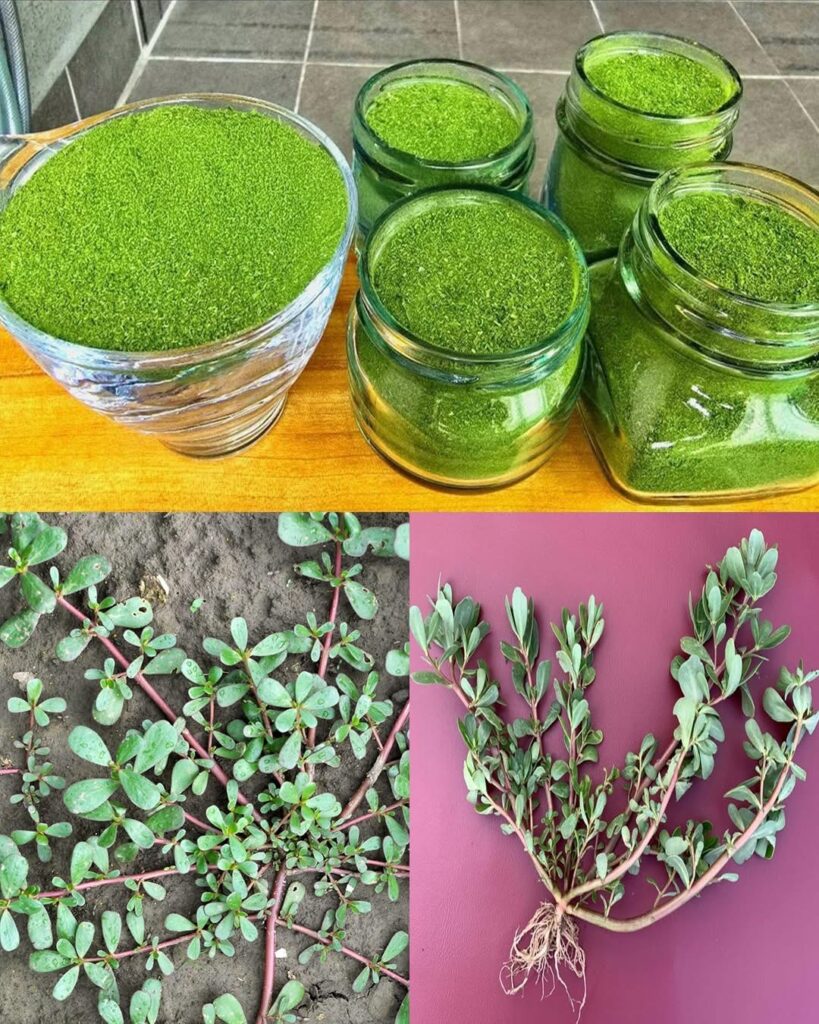
- Look for thick, reddish stems with small, fleshy green leaves.
- Harvest young, tender leaves for the best flavor.
- Rinse thoroughly before use.
Culinary Ideas:
- Fresh Salads – Add purslane to mixed greens for a tangy, refreshing crunch.
- Smoothies – Blend a handful into green smoothies for an omega-3 boost.
- Soups and Stews – Use it like spinach; it softens quickly when cooked.
- Sautéed Side Dish – Lightly stir-fry with garlic, olive oil, and lemon juice.
- Purslane Pesto – Replace basil with purslane for a unique twist.
Sustainability: A Weed that Saves the Planet
Unlike delicate crops, purslane thrives in harsh conditions with minimal water. Its ability to grow in poor soil makes it a climate-resilient food—a potential ally in future food security. Choosing purslane means choosing a sustainable, low-impact ingredient.
Conclusion
Purslane is proof that sometimes the best things in life are overlooked. What many dismiss as a weed is, in fact, a superfood packed with nutrients, antioxidants, and omega-3s. With a rich history, global culinary presence, and incredible health benefits, purslane deserves a place not in the compost pile, but on your plate.
So the next time you see this vibrant green sprawling in your garden, don’t pull it out—pick it, plate it, and power your health naturally.