
Introduction
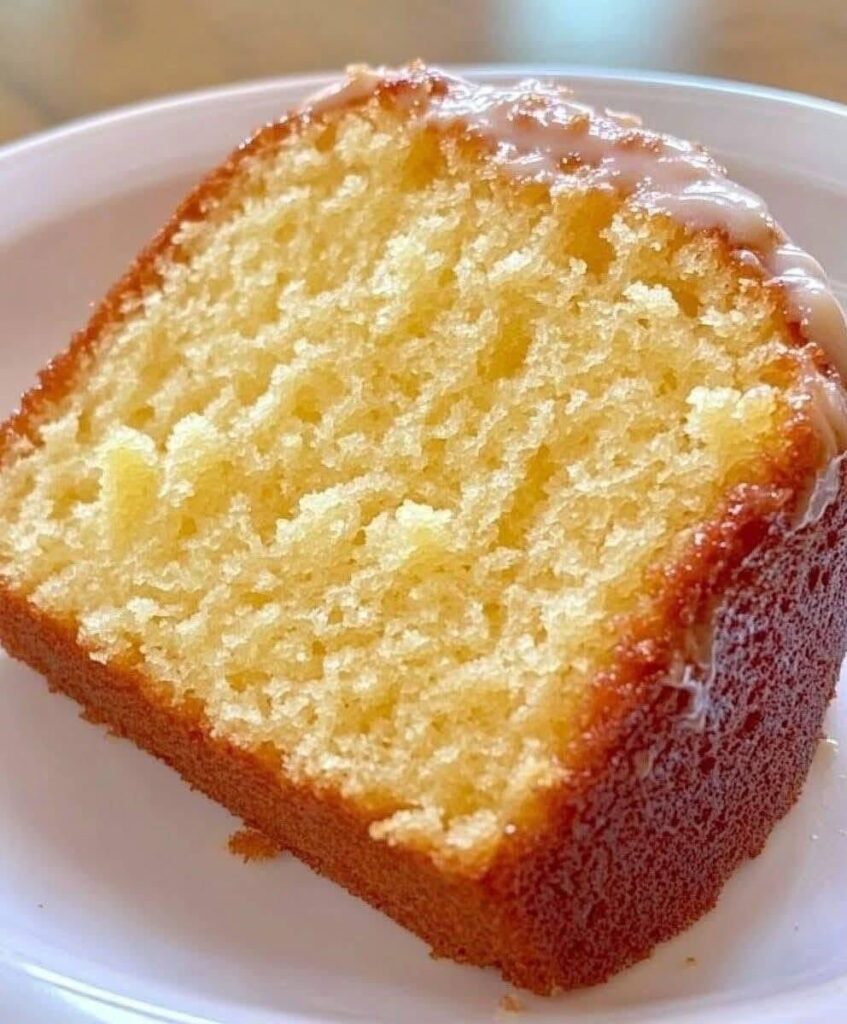
Lemon cake is one of those timeless desserts that bring sunshine to the table. With its bright citrus flavor, soft sponge texture, and often a luscious glaze or frosting, lemon cake has been loved across cultures for centuries. Its refreshing tang makes it lighter than chocolate-based desserts and perfect for spring, summer, or even as a holiday treat when you want a burst of freshness.
This cake can be enjoyed as a tea cake, birthday cake, or even layered for special occasions. The balance of sweet and tangy is what makes it magical.
History of Lemon Cake
Lemons were introduced to Europe around the 1st century AD through Roman trade routes. By the Middle Ages, they became popular in Mediterranean countries and were often used in pastries and preserves. Lemon cake as we know it started gaining popularity in 18th-century England, when sugar became more widely available. It became a staple tea cake in Britain, often served during afternoon teas. In America, lemon cakes gained popularity in the 19th century, especially in the South, where citrus fruits were abundant.
Ingredients
For the Cake:
- 2 ½ cups (300 g) all-purpose flour
- 2 ½ tsp baking powder
- ½ tsp baking soda
- ½ tsp salt
- 1 cup (230 g) unsalted butter, softened
- 2 cups (400 g) granulated sugar
- 4 large eggs, room temperature
- 2 tbsp lemon zest (from about 2 large lemons)
- ½ cup (120 ml) freshly squeezed lemon juice
- 1 cup (240 ml) buttermilk (or milk + 1 tbsp lemon juice)
- 1 tsp pure vanilla extract
For the Lemon Glaze (optional but amazing):
- 1 cup (120 g) powdered sugar
- 2–3 tbsp lemon juice
For Lemon Frosting (optional for layered cake):
- 1 cup (230 g) unsalted butter, softened
- 4 cups (500 g) powdered sugar
- 2 tbsp lemon zest
- ¼ cup (60 ml) lemon juice
- Pinch of salt
Instructions
Step 1 – Prepare the Oven & Pan
- Preheat oven to 350°F (175°C).
- Grease and flour two 8-inch round cake pans (or a 9×13-inch pan for a sheet cake).
Step 2 – Mix Dry Ingredients
- In a bowl, whisk together flour, baking powder, baking soda, and salt. Set aside.
Step 3 – Cream Butter & Sugar
- In a large mixing bowl, beat butter and sugar together with an electric mixer until light and fluffy (about 3–4 minutes).
Step 4 – Add Eggs & Flavor
- Beat in eggs one at a time.
- Add lemon zest, lemon juice, and vanilla extract.
Step 5 – Combine Wet & Dry
- Add flour mixture in three parts, alternating with buttermilk.
- Mix gently until combined (do not overmix).
Step 6 – Bake
- Pour batter evenly into pans.
- Bake for 25–30 minutes (round pans) or 35–40 minutes (sheet cake), until a toothpick comes out clean.
Step 7 – Add Glaze or Frosting
- For glaze: whisk powdered sugar + lemon juice, pour over warm cake.
- For frosting: beat butter until creamy, add powdered sugar, lemon zest, and lemon juice. Spread over cooled cake layers.
Methods & Variations
- Lemon Loaf – Bake in a loaf pan, drizzle glaze on top.
- Lemon Layer Cake – Use frosting and stack two or three layers.
- Lemon Poppy Seed Cake – Add 3 tbsp poppy seeds to the batter.
- Lemon Blueberry Cake – Fold in 1 cup fresh blueberries for a fruity twist.
- Gluten-Free Option – Swap flour with a gluten-free flour blend.
Benefits of Lemon Cake
- Vitamin C boost – Lemons are rich in antioxidants.
- Mood enhancer – The fresh citrus aroma is known to uplift mood.
- Digestive aid – Lemon juice can help digestion.
- Lower in heaviness – Compared to chocolate cakes, it feels lighter and fresher.
Nutrition (per slice, plain cake without frosting)
- Calories: ~310
- Fat: 12g
- Carbs: 46g
- Sugar: 28g
- Protein: 4g
- Vitamin C: 15% of daily value
Formation & Serving Ideas
- Dust with powdered sugar for a rustic look.
- Add candied lemon slices on top.
- Pair with fresh berries and whipped cream.
- Serve with hot tea or iced lemonade for a summer vibe.
Lovers of Lemon Cake
Lemon cake is adored by those who enjoy sweet and tangy flavors. It’s a favorite at tea parties, Easter celebrations, bridal showers, and even weddings. Many bakers and chefs love it because it’s versatile—it can be simple and rustic or elegant and layered.
Conclusion
The lemon cake is not just a dessert—it’s a slice of history, sunshine, and joy. Whether you make it simple with a glaze or go all out with layers and frosting, this cake never fails to brighten the table. Its freshness makes it perfect year-round, and its balance of sweet and tart keeps it timeless.