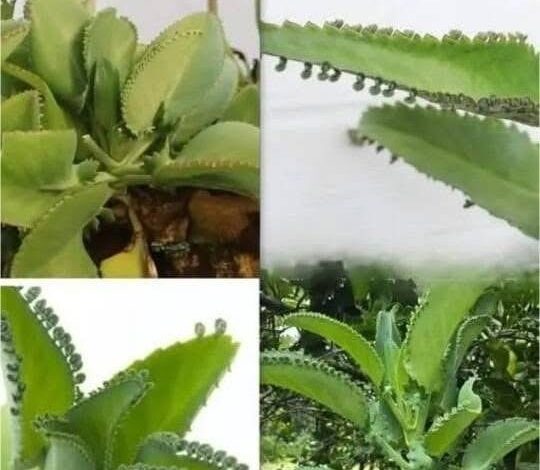
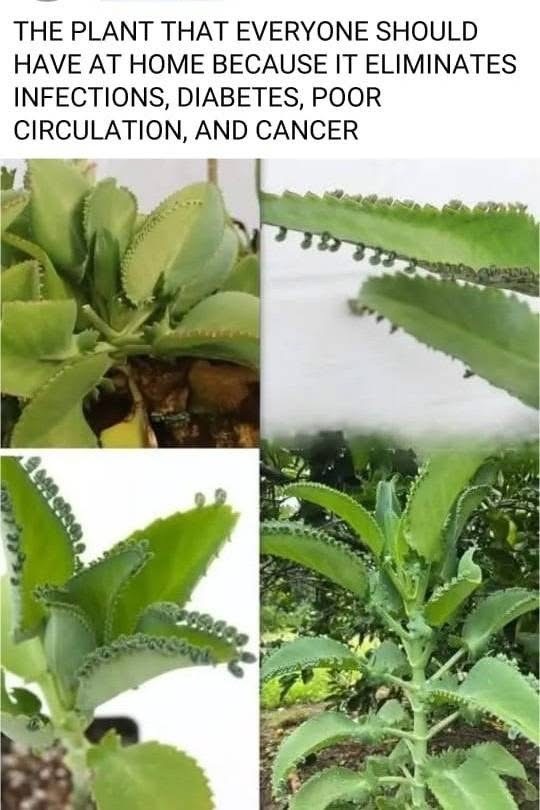
If you’re looking for a versatile houseplant that not only beautifies your living space but also offers a wide range of potential health benefits, look no further than Kalanchoe. Known by various names such as Mother of Thousands, Leaf of Life, Cathedral Bells, or Miracle Leaf, this resilient succulent has been celebrated in traditional medicine across Asia, Africa, and South America for generations.
What Is Kalanchoe?
Kalanchoe belongs to the Crassulaceae family, a group of hardy succulents admired for their ability to thrive with little care. One of its most unique features is how it reproduces: tiny plantlets sprout along the edges of its leaves, dropping off and growing into new plants effortlessly. Because of this, it is often called “Mother of Thousands.”
There are several types of Kalanchoe, but the one commonly associated with medicinal uses is Kalanchoe pinnata (also known as Bryophyllum pinnatum).
Traditional Uses of Kalanchoe
Across different cultures, Kalanchoe has been valued as a natural remedy. Folk medicine often uses its leaves, sap, and teas for treating a wide range of conditions:
- Infections: The leaves have been used topically to soothe wounds, burns, insect bites, and skin irritations due to their antibacterial and anti-inflammatory properties.
- Diabetes Support: In traditional remedies, extracts are believed to help balance blood sugar levels, though scientific evidence is still limited.
- Poor Circulation: Herbalists suggest Kalanchoe can stimulate circulation and reduce swelling.
- Cancer Research: Some studies have investigated the presence of compounds such as bufadienolides, which may show potential anti-cancer properties. However, research is still ongoing, and it should not replace medical treatments.
- Respiratory Issues: In Ayurveda and African traditional medicine, Kalanchoe teas are used to ease coughs, asthma, and bronchitis.
- Kidney Stones: In Caribbean folk medicine, a tea made from the leaves is believed to help dissolve kidney stones.
How to Use Kalanchoe Traditionally
Note: Always consult with a healthcare professional before using any medicinal plant, especially if you have health conditions, are pregnant, or are taking medication.
- For Wounds & Burns
- Crush fresh leaves to extract juice and apply directly to cuts, insect bites, or burns.
- For Respiratory Relief
- Boil a few leaves in water, strain, and drink as a tea. Traditionally used for coughs and colds.
- For General Wellness
- Some cultures chew a small portion of raw leaf or blend it into juice, but moderation is essential as the plant contains powerful compounds.
Growing and Caring for Kalanchoe
One of the greatest advantages of Kalanchoe is that it’s very easy to grow:
- Light: Prefers bright, indirect sunlight but can tolerate partial shade.
- Watering: Water sparingly. Allow soil to dry between watering to avoid root rot.
- Soil: Use well-draining soil (cactus or succulent mix works best).
- Propagation: Simply collect the small plantlets that form on the leaf edges and place them in soil—new plants will sprout quickly.
- Climate: Thrives in warm, dry conditions but can be grown indoors year-round.
Benefits of Having Kalanchoe at Home
- Natural Healer: Always available for small cuts, burns, or skin irritations.
- Air Purifier: Like many succulents, it helps clean indoor air.
- Stress Reliever: Its vibrant green leaves add a calming touch to any room.
- Self-Sustaining: With its unique reproduction ability, you’ll never run out of plants.
Scientific Perspective
While Kalanchoe is deeply rooted in folk medicine, modern science is still exploring its potential. Some laboratory studies suggest antimicrobial, anti-inflammatory, and even anti-cancer activities in its compounds. However, more clinical research is needed before it can be recommended as a reliable medical treatment.
Conclusion
The Kalanchoe plant is more than just a beautiful succulent—it’s a symbol of resilience and natural healing. Whether you use it as a decorative indoor plant or explore its traditional medicinal uses, it’s truly a gift of nature. While it should never replace prescribed medical treatments, keeping this plant at home means having a centuries-old natural remedy at your fingertips.
If you’re looking for a plant that’s easy to grow, self-replicating, and rich in cultural significance, Kalanchoe is the perfect choice.