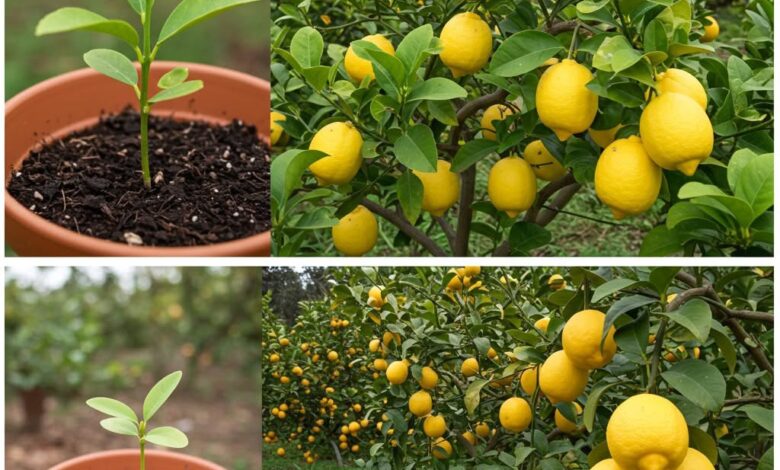
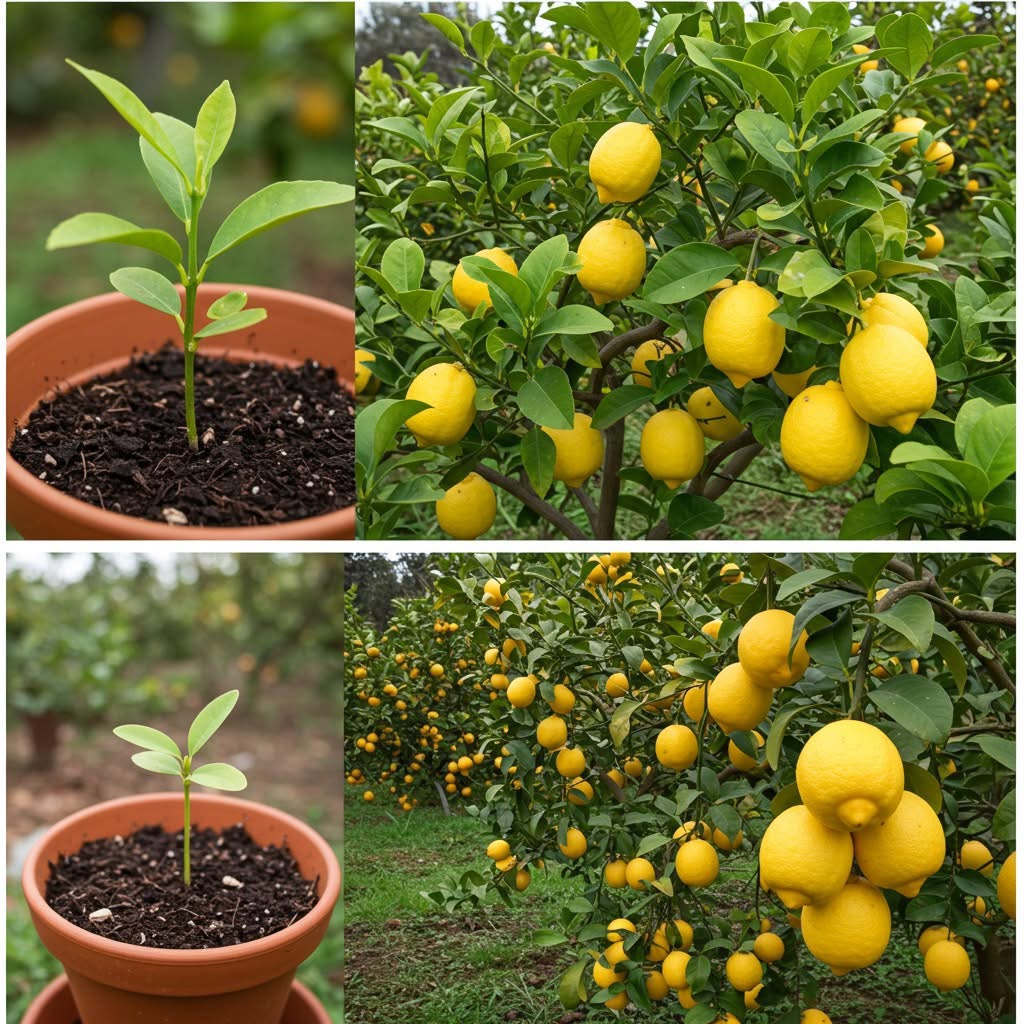
Few things in life feel as refreshing as plucking a bright yellow lemon straight from your own tree. The fragrance, the glossy green leaves, and the sheer satisfaction of growing your own citrus—it’s magical. But what if you could enjoy this luxury all year long, without the need for a greenhouse? With the right approach, you can!
This article will guide you step by step on how to grow a lemon tree that produces fruit nearly year-round. From choosing the right variety to perfecting care techniques, you’ll discover everything you need to make your lemon tree thrive.
Step 1: Choosing the Right Variety
Not all lemon trees are created equal. Some varieties are naturally better suited for continuous fruiting.
- Meyer Lemon: The champion of year-round fruiting. Sweeter and less acidic, Meyer lemons are a cross between a lemon and a mandarin.
- Eureka Lemon: Produces fruit almost year-round, especially in warmer climates.
- Lisbon Lemon: A classic, hardy lemon variety that thrives outdoors. Tip: If you want lemons in all seasons, Meyer is the best choice for home growers.
Step 2: Give Your Tree Plenty of Sun
Lemons love sunshine. To encourage continuous flowering and fruiting:
- Place your tree where it gets 8–12 hours of direct sunlight daily.
- If growing indoors, use a full-spectrum grow light during darker months.
- Rotate potted trees occasionally so all sides get equal light.
Step 3: Watering the Right Way
Citrus trees hate soggy roots but also can’t tolerate long dry spells.
- Keep the soil evenly moist, never waterlogged.
- Use pots with drainage holes if growing indoors or on patios.
- Deep water once a week outdoors (or more often in hot, dry climates). Trick: Stick your finger 2 inches deep into the soil. If it’s dry, it’s time to water.
Step 4: Feeding for Year-Round Fruit
Nutrients are the fuel your lemon tree needs to keep producing.
- Use a citrus fertilizer high in nitrogen, magnesium, and iron.
- Fertilize every 4–6 weeks during spring and summer, and every 6–8 weeks in fall and winter.
- Add compost or worm castings for extra organic nutrients.
Step 5: Pruning for Productivity
Pruning encourages airflow, reduces disease, and promotes more blooms.
- Remove dead or crossing branches.
- Keep the tree’s shape open, like a wine glass, to let in sunlight.
- After fruit harvest, prune lightly to encourage new growth.
Step 6: Encourage More Blossoms
Here’s the secret: lemons will flower multiple times a year if conditions are right.
- Stress the tree slightly by letting the soil dry out just before flowering season (spring and late summer).
- Then give it a deep watering to trigger bloom.
- Hand-pollinate indoor trees with a small brush to ensure fruit set.
Step 7: Protecting Your Tree from Weather
Since we’re skipping the greenhouse, you’ll need to manage climate smartly.
- In cooler zones, move potted trees indoors before frost.
- Mulch around outdoor trees to protect roots from temperature swings.
- Use frost cloths for cold nights if planted in the ground.
Step 8: Harvesting at the Right Time
Lemons don’t ripen after picking—so wait until they’re fully yellow.
- A ripe lemon should feel slightly soft when gently squeezed.
- Meyer lemons often have a deeper yellow-orange hue when ripe.
Pro tip: Don’t strip the tree bare—leaving some lemons encourages more continuous production.
Troubleshooting Common Problems
- Yellowing leaves → Often a sign of nutrient deficiency (add fertilizer).
- No fruit, just leaves → Too much nitrogen, or not enough sunlight.
- Dropping flowers → Overwatering, or sudden temperature changes.
- Pests (aphids, scale, spider mites) → Use neem oil or insecticidal soap.
Why This Works—The Science of Year-Round Lemons
Citrus trees are naturally evergreen, meaning they keep their leaves all year. Unlike deciduous fruit trees, they can photosynthesize and grow continuously if given the right conditions. By balancing stress, nutrition, and light, you mimic the natural cycles of blooming and fruiting—without needing artificial environments like greenhouses.
Final Thoughts
Growing a lemon tree that produces fruit all year isn’t just possible—it’s deeply rewarding. With the right variety, consistent care, and a few simple tricks, you can enjoy fragrant blossoms in spring, green baby lemons in summer, and golden ripe fruit in autumn and winter.
Imagine never running out of lemons for your teas, marinades, desserts, or cocktails. Your tree becomes more than a plant—it becomes a source of health, flavor, and sunshine in your home